









Anke Huber reflects on Tanzania trip with WTA Foundation, in support of UNICEF
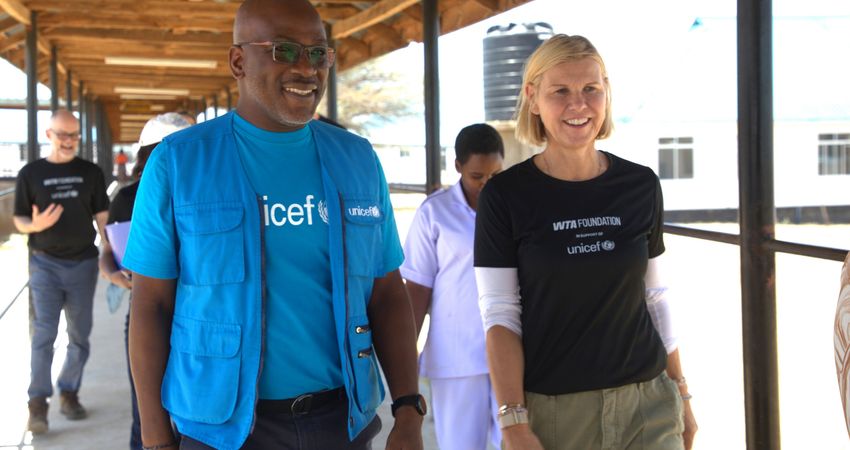
Editor’s note: Former World No. 4 Anke Huber recently traveled to Tanzania as part of the WTA Foundation’s partnership with UNICEF. She writes about what she learned from mothers and community health workers there, and how those conversations made her think about the care she could count on when she became a mother.
Competing on the WTA Tour, the smallest margins felt like the highest stakes -- and self-esteem was measured in trophies. As a professional tennis player, I had access to the best nutrition, elite coaching and a support system tailored to help me perform. Regardless of my results on the court, I had access to the tools I needed to ensure my best shot was possible.
After I retired from the circuit at the WTA Finals in 2001, I became a mother and it was my turn to ensure those around me had what they needed. I had a medical team that ensured healthy deliveries and my children never missed a checkup. Sure, they inevitably had bumps and scrapes, but because of where we lived, access to foundational healthcare was never a question or concern. In fact, it was expected.
Of course, this isn’t the reality for far too many young families around the world, as I was reminded on a recent UNICEF program visit in Tanzania, as part of the WTA Foundation’s partnership with the organization.
In Tanzania, as in many countries around the globe, maternal malnutrition, and related conditions like anaemia, is a major problem, compounding the inherent risks of pregnancy and childbirth. Around 80 per cent of children aged 6-23 months live in food poverty and stunting -- the impairment of physical and cognitive growth due to a lack of essential nutrients -- is one of the heartbreaking consequences. In a country where half the population is under 18, the social and economic implications are profound when kids don’t have a proper shot at reaching their potential.
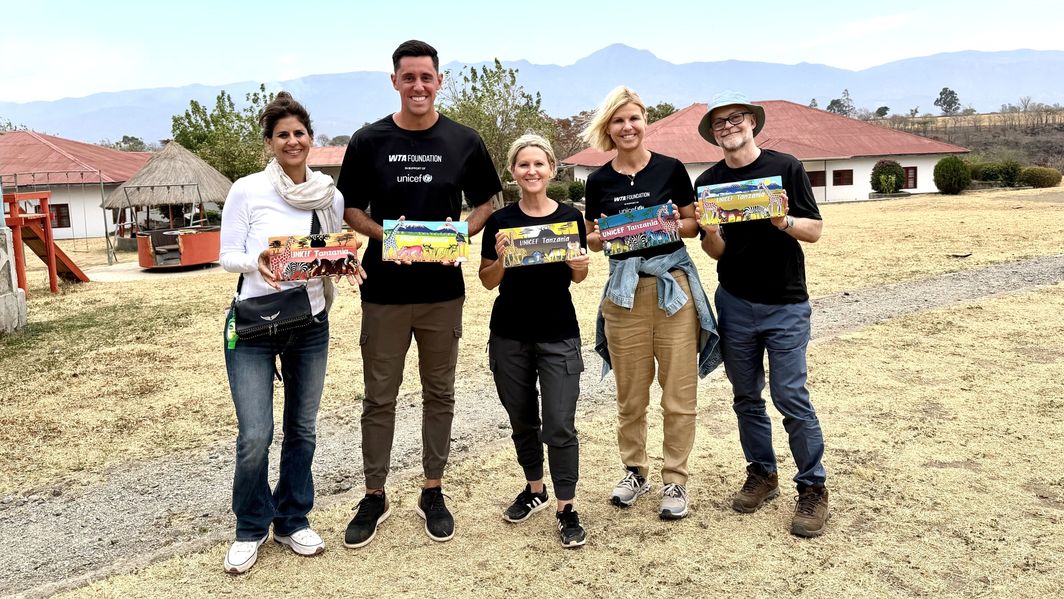
But, as I saw firsthand, progress is being made to close the women’s health gap – and I’m proud to say the tennis family is supporting UNICEF’s transformational efforts through the WTA Foundation’s Global Women’s Health Fund (GWHF).
The GWHF specifically supports the Child Nutrition Fund, a UNICEF-led coordination and funding mechanism that brings together governments and private benefactors with the goal of building sustainable policies and programs for improved maternal and child nutrition. Since 2024, when the partnership with UNICEF was launched, the WTA community has raised funds to help support 1.5 million women around the world.
During the visit, I learned about how critical the first 1,000 days from conception to a child’s second birthday are, and therefore why early interventions like prenatal vitamins can make such an impact. Just $2.50 -- less than the cost of a tennis ball -- is enough to ensure a mother can receive the necessary prenatal vitamins for the duration of her pregnancy and change the story of a child’s life.
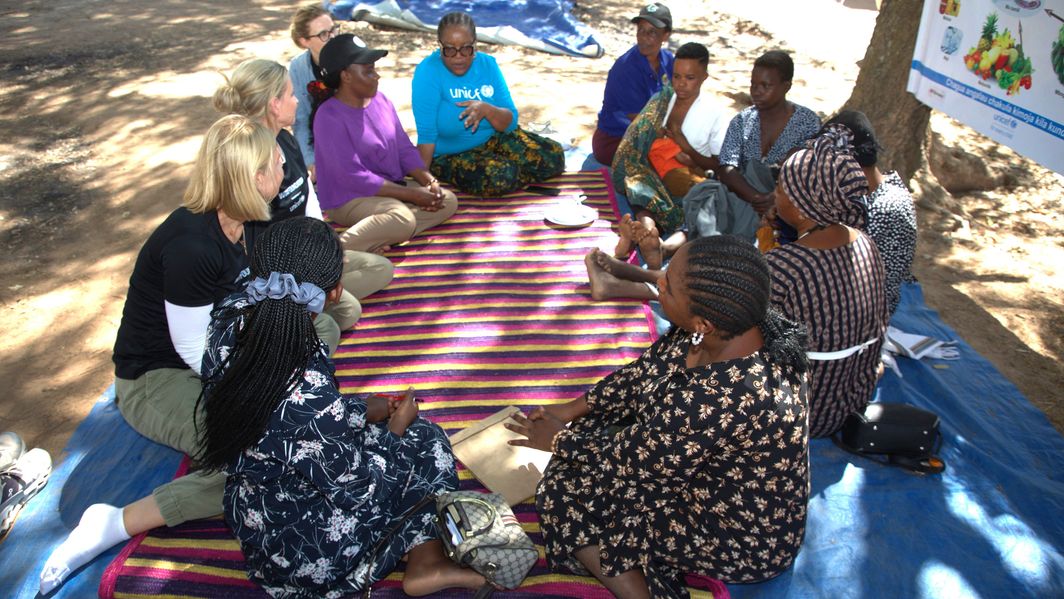
Sitting under trees in a village in the Mbeya region, comparing notes with young mothers, it was easy to see past the numbers. Here, in the beautiful Southern Highlands of Tanzania, it was clear we all share similar hopes and dreams – for our loved ones to be healthy, happy, and fulfilled in the place they call home.
The next day, at a village health and nutrition day in Songwe, we were welcomed by joyous music and dance. People had travelled for miles to attend this quarterly community health day, where we met young mothers learning about prenatal vitamins, learned about nutrition counseling and observed cooking demonstrations.
While the community generously shared the importance of these interventions, we saw the long-term outcome for ourselves in the smiling faces of children in a bustling classroom and on the soccer pitch.
Despite the challenges access had provided, these kids were simply being kids - laughing, running and playing. Before I knew it, I was laughing alongside of them as we kicked the ball and ran circles around the field. In that moment I felt immense pride for the parents and gratitude for the community healthcare workers who prioritized access to quality nutrition.
My playing days are well behind me, but Tanzania led me to reflect once again on the powerful connection between sport and philanthropy. Athletes, whether they play an individual or team sport, are in a unique position to bring people together for the common good.
Women’s health and empowerment is in the DNA of the WTA’s founding principles and more than 50 years later, I can’t imagine a better use of our shared platform for social change. As the WTA Foundation celebrates 10 years of impact, players past and present can be proud. When we work alongside great partners like UNICEF, with community top of mind, we really can rally the world.
For more information about the WTA Foundation’s Global Women’s Health Fund, in support of UNICEF visit www.womenchangethegame.com. UNICEF does not endorse any company, brand, organization, product or service.
As told to Adam Lincoln, the WTA’s Senior Director of Communications.