
'Bigger target on her back': Navratilova on what comes next for year-end No. 1 Rybakina

Martina Navratilova finished World No. 1 in five consecutive years without a single heat map, serve-direction chart or analytics deck to tell her where to look for an edge. She found it through trial and repetition, hitting balls until something stopped working and then fixing it, with one goal quietly handing off to the next.
"I wanted to be No. 1," she told wtatennis.com. "But once I got there, I just wanted to improve my game."
Instead of counting titles, her motivation was finding out just how complete of a player she could become.
Four decades after Navratilova’s run at No. 1, the core demand of the top ranking hasn't changed. Now, Elena Rybakina steps into that same reality.
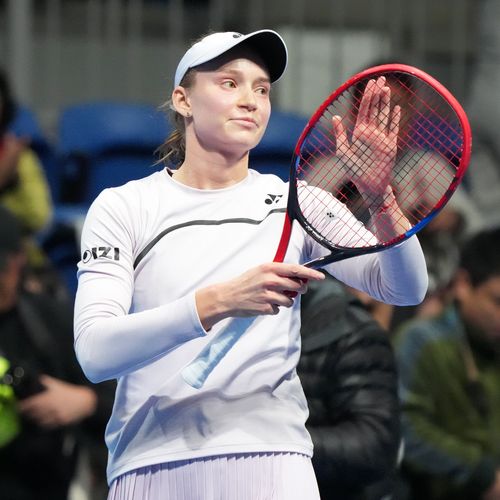
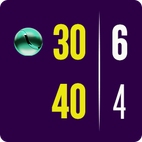
Her move to year-end No. 1 became official on Thursday, after she clinched the distinction with her victory over Yulia Putintseva in Tokyo. Over the course of the season, she set the statistical pace on the WTA Tour Driven by Mercedes-Benz, finishing atop nearly every key metric:
- Match wins: 54
- Titles: 4
- Finals reached: 6
- Top 10 wins: 10
- Aces: 432
- Winners: 1,750
- Break points saved: 65.0%
Rybakina’s transition game, willingness to dictate rallies and accountability on court set her apart. But staying at the top requires a different mindset: the target is on her back now, and the key is continuing to refine her game even as the rest of the tour comes after her.
Navratilova spent plenty of time with that exact problem, so she was the right person to ask about it. Here's how she sees Rybakina's season, her game and what it takes to stay on top.
What has stood out to you about Elena Rybakina this season?
Navratilova: She's been the most consistent of the top players, and she's playing better in the big tournaments. She comes forward more, trusts her own calls and takes full responsibility for everything out there. Now the dynamic changes. Holding the No. 1 ranking brings its own weight, and the challenge is to keep finding areas to improve while everyone else on tour is chasing you down.
She seems more relaxed and comfortable on court. Have you noticed that?
Navratilova: I think she's taking charge of her life. She got a dog! That is the key to happiness [laughs]. It's nice to have that constant companion. We give up so much when we travel.
I also see her taking more charge during matches. Her coach isn't telling her what she should be doing as much; she's doing more on her own. I think that gives you confidence, belief and concentration. The coaches do so much more for the players now, but they still have to hit the ball and win the match. I think she's taking more ownership of that.
Have you noticed specific changes in her game?
Navratilova: I'd need to see the numbers to comment on that. Is she hitting more backhands on the first ball? Is she coming in more? Hitting bigger serves? It seems to me she is coming in more and being a little more proactive with her shots and positioning.
The forehand is definitely more powerful. The backhand was always money, but I think the forehand doesn't go off as much. She's more aggressive with it, probably because she's putting in the miles on the practice court.
What will she need to do now to hold onto the No. 1 ranking?
Navratilova: That's the tricky bit. Now she's everybody's favorite scalp. She has a bigger target on her back, and more is expected of her. Maybe she expects more of herself, too. It's a matter of how she handles it.
I'd concentrate on where she can get better. That's where the statistics can help. Is it movement? Moving forward or sideways? Jumping into the court more on the serve? She has the best serve in the game right now, but you get into the details with her team and try to find a little extra speed on the forehand or whatever it is. The statistics are helpful because they show you where you can still improve.
Aryna Sabalenka seems like an obvious challenger. Who else do you see pushing Rybakina?
Navratilova: Iga Swiatek and Coco Gauff. Coco is still so young and still improving. Iva Jovic is improving all the time, too. She's such a good athlete, and I'm looking forward to watching her improve. Those three would be my big contenders.
You spent five consecutive years at No. 1. What will Rybakina find harder, getting there or staying there?
Navratilova: You never know if you're going to get there until you get there. But once you do, it's harder to stay. For me, it was about getting better. I kept working on my game.
My motivation was never winning trophies or making money. It was how well I could play this game and where I could still get better. Back then, we were guessing at a lot of this. Now players have so many analytics. I wish I'd had that because it gives you clarity.
What advice would you give Rybakina about being No. 1?
Navratilova: Pace yourself and take ownership of your team and of yourself. That way you'll have belief when you're playing the match, because you've done the hard work and taken responsibility for it. Less is more. It's a good rule of life.